
5 Things to Know Before Starting a Software Project
Imagine spending months finalizing a product roadmap and securing capital, only to discover halfway through development that the application solves the wrong problem for your end users. Every year, countless business leaders face costly rebuilds simply because initial excitement outpaced technical alignment. When starting a software project, the enthusiasm of dreaming up features often overshadows the foundational work required to build a sustainable digital product.
Whether you are a startup founder designing a disruptive SaaS platform or an established business owner modernizing internal operations, thorough preparation determines whether your software becomes a strategic asset or an expensive lesson. Understanding what lies ahead protects your capital, timeline, and peace of mind before you sign a contract.
Your Idea Is Just the Starting Point: Define the Problem First
Having an exciting concept for an application is vastly different from having a clear project blueprint. Many entrepreneurs believe that presenting a rough vision to a development team is enough to kick off coding. In reality, building software without clearly defined parameters almost always leads to scope creep, misunderstandings, wasted resources, and disappointing results.
Critical Considerations When Starting a Software Project
The primary goal of software project planning is to unpack your idea and anchor it to a concrete business problem. Before writing a single line of code, you must address fundamental questions:
-
What specific pain point does this software solve?
-
Who are the primary users, and what workflows will they perform?
-
What measurable outcomes define success for this release?
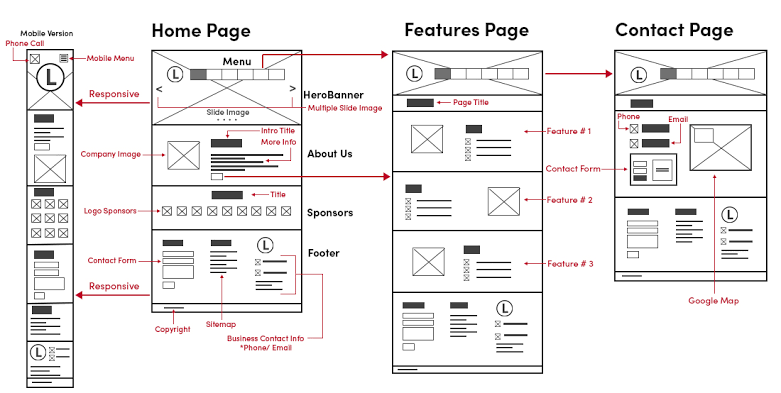
Vague requirements force developers to make assumptions, which rarely align with your business goals. Effective software project requirements emerge from a structured discovery phase involving stakeholder interviews, user journey mapping, and wireframing.
A Practical Example of Scoping
Consider a regional logistics company wanting to build a comprehensive delivery management platform. Initially, stakeholders imagine an all-in-one system featuring real-time GPS tracking, automated driver invoicing, customer rating portals, and predictive route analytics.
Through a disciplined discovery session, the team realizes that building everything at once will take twelve months and deplete their budget. By prioritizing features, they define a Minimum Viable Product (MVP) that focuses solely on core driver dispatching and basic status updates. This allows them to launch faster, validate market demand, and fund future feature expansions using real user feedback.
A Realistic Budget Covers More Than Development Costs
One of the most common pitfalls in software procurement is treating the budget as a fixed number dedicated solely to coding hours. When evaluating software development cost, business decision-makers must look at the entire lifecycle of the product.
Hidden and Supporting Expenses
A comprehensive budget accounts for multiple phases beyond raw development:
-
Discovery and UI/UX Design: User research, wireframes, and interface design ensure the product is intuitive and aligned with user expectations.
-
Development and Quality Assurance: Frontend and backend coding, rigorous testing, bug fixing, and cross-browser or cross-device compatibility checks.
-
Infrastructure and Integrations: Third-party API subscriptions (payment gateways, mapping services), cloud hosting, and security compliance certificates.
-
Post-Launch Maintenance: Ongoing updates, security patches, backups, and user support infrastructure.
Avoiding the Trap of the Cheapest Quote
When hiring a software development company, it is tempting to choose the lowest initial bid. However, unusually low quotes often conceal hidden risks. They may exclude critical testing phases, rely on inexperienced developers, or omit post-launch support. Cutting corners upfront frequently results in massive technical debt, requiring expensive refactoring down the road.
Prioritizing Your Feature Set
To manage expenditures effectively, categorize your feature wish list using a prioritization framework:
-
Must-Haves (Core MVP): Features without which the software cannot function or deliver its core value proposition.
-
Should-Haves: Important features that enhance usability but can be deferred if the budget tightens.
-
Nice-to-Haves: Advanced features or polished animations slated for future development cycles.
Be transparent about your financial constraints with your development partner from day one. An experienced partner will help you adjust the scope to fit your budget without sacrificing product integrity.
Why Software Timelines Change—and How to Avoid Surprises
Clients often view software development as a linear manufacturing process: input requirements, wait a designated number of weeks, and receive a finished product. In practice, software development is an iterative, problem-solving journey where timelines naturally fluctuate based on complexity, architectural discoveries, and testing results.
What Drives a Project Schedule?
Several factors directly influence your software project timeline:
-
Complexity of Features: Advanced logic, machine learning models, or complex data migrations require significantly more time than standard CRUD (Create, Read, Update, Delete) interfaces.
-
Integration Dependencies: Connecting your software to legacy databases or third-party enterprise tools often introduces unexpected technical hurdles.
-
Feedback and Approval Loops: How quickly stakeholders review builds and provide feedback directly impacts sprint velocities.
Managing Expectations vs. Sales Promises
Unrealistic timelines are frequently the result of vendors telling clients what they want to hear to win a contract. A professional partner provides a transparent timeline built around structured milestones, sprint planning, and regular progress demos.
A Scenario of Timeline Disruption
Imagine a fintech startup building a custom payment portal. Halfway through the project, compliance regulations change, requiring an additional security audit. Concurrently, decision-makers take two weeks to review a core UI milestone because key executives are traveling.
These occurrences stall momentum. To prevent such surprises, establish clear turnaround times for approvals and build buffer time into your project plan to accommodate unexpected architectural or regulatory adjustments.
Clear Communication Can Make or Break Your Project
Building software is a collaborative partnership rather than an outsourced transaction where you hand over an idea and walk away until launch day. The success of a project depends heavily on how effectively the client and development team communicate.
Establishing a Communication Framework
To keep everyone aligned throughout the software development process, implement a structured communication rhythm:
-
Single Point of Contact: Designate one primary decision-maker on your team to prevent conflicting instructions and bottlenecks.
-
Agreed Channels and Tools: Utilize shared task trackers (such as Jira or Trello), documentation wikis, and regular check-in meetings.
-
Documented Decisions: Keep a written record of scope changes, architectural decisions, and agreed-upon trade-offs to avoid miscommunications later.
Translating Technical Concepts
Non-technical founders often worry they need to understand code to manage a project. This is a misconception. You do not need to know how to write software; you need to understand your business logic and communicate your priorities clearly. A skilled development team will translate complex technical constraints into plain English, helping you weigh options and make informed business decisions when trade-offs arise.
Launching Is Only the Beginning: Plan for Growth and Maintenance
Too many businesses treat the launch date as the finish line. In reality, deployment is merely the transition from creation to operation. The moment your software goes live, real users begin interacting with it, exposing edge cases, usability friction points, and opportunities for improvement.
Post-Launch Priorities
A sustainable digital product requires ongoing attention across several key areas:
-
Monitoring and Stability: Tracking server performance, uptime, and error logs to catch and resolve bugs immediately.
-
Security and Backups: Regularly updating software dependencies, patching vulnerabilities, and executing automated data backups.
-
User Analytics: Reviewing how users navigate the application to identify drop-off points and feature requests.
Scaling and Future-Proofing
Scalability and maintainability must be baked into your architecture during initial planning rather than treated as afterthoughts. Whether you are expanding a mobile app, upgrading a SaaS platform, or integrating AI-powered automation, clean code documentation and modular design ensure your software can grow alongside your business. Agreeing on post-launch support agreements and long-term ownership terms before the project starts ensures a smooth handoff and continuous growth.
Ready to Build Something Exceptional?
Navigating the complexities of custom software development requires the right technical partner by your side. Whether you are looking to design intuitive web applications, high-performance mobile apps, scalable SaaS platforms, or intelligent automation solutions, preparation is your greatest advantage.
Contact our team today to schedule a discovery consultation, discuss your upcoming software project requirements, and explore how we can bring your vision to life.
